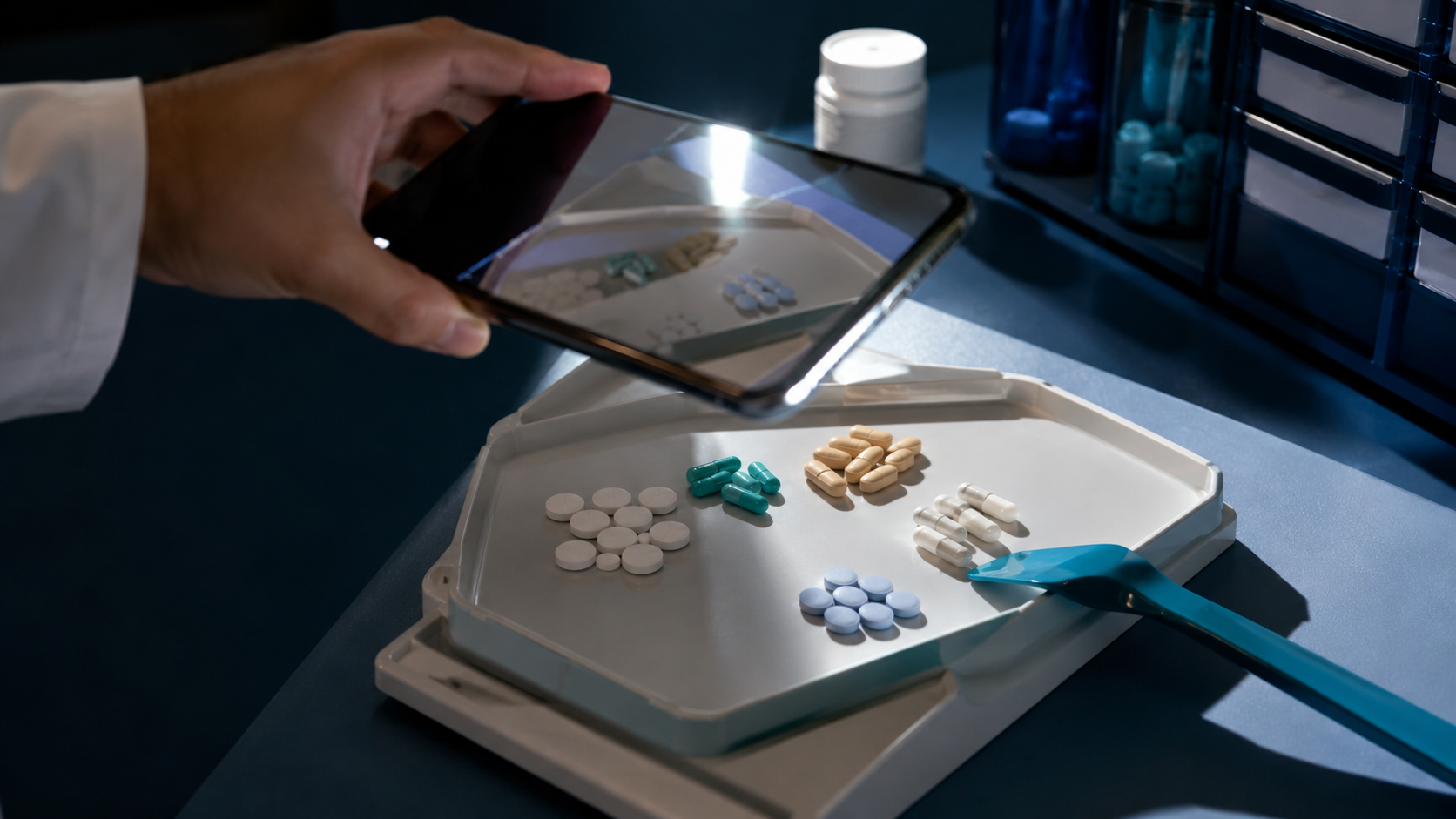

Why unused medicines accumulate
A changed prescription, a treatment stopped by a clinician, side effects, fixed package sizes, duplicate purchases, or forgotten household stock can all leave medicine unused.
Do not change treatment on your own
Extra tablets do not mean a course should be shortened. Dose and duration should change only under professional guidance.
Do not give prescription medicine to another person, even when symptoms appear similar.
A five-minute medicine-cabinet review
- Check the medicine name, strength, dosage form, patient label, expiry date, and storage instructions.
- Separate damaged, discolored, unlabelled, or improperly stored products.
- Keep medicines away from children and animals while waiting for an official disposal route.
- Ask a pharmacist before discarding medicine that may still be part of an active treatment.
Use an official return or disposal route
Take-back programs are generally preferred where available, but rules vary by country, medicine type, and local infrastructure. Follow the official instructions for your location.
Frequently asked questions
Can unused prescription medicine be given to someone else?
No. Prescription medicine should not be transferred without a new professional assessment.
Can every expired medicine go into household waste?
No. Disposal rules differ by medicine and location. Check an official local return or disposal program.